
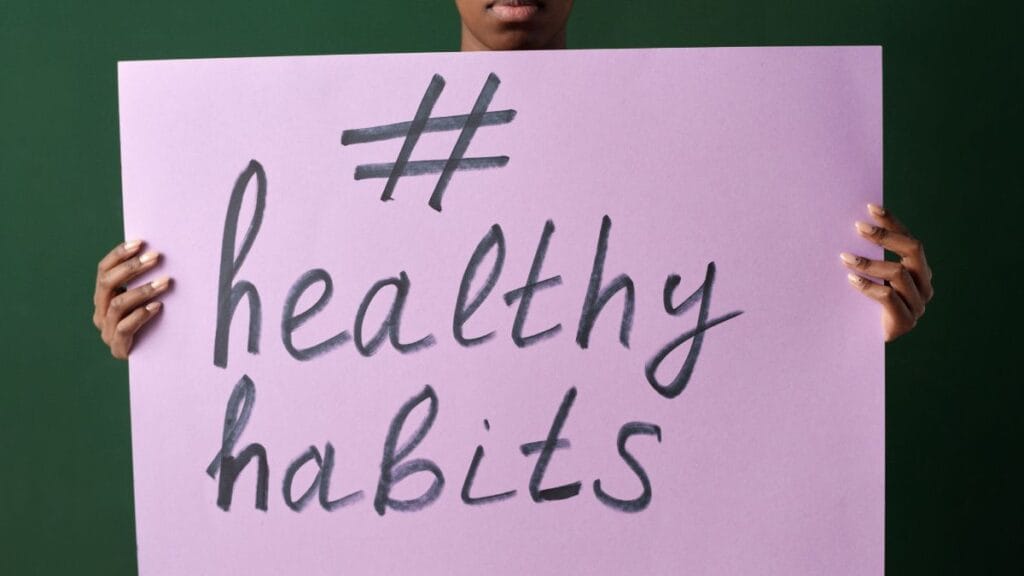
Living a healthier life does not always require extreme diets, expensive programs, or complicated routines. In many cases, wellness starts with simple daily choices that support your body, mind, energy, and long-term health. Small habits such as drinking enough water, eating balanced meals, moving your body, sleeping well, and managing stress can make a real difference over time.
Wellness is not about perfection. It is about building a lifestyle that feels realistic, balanced, and sustainable. Whether you are just starting your health journey or trying to improve your current routine, practical wellness advice can help you make better choices every day.
What Is Wellness?
Wellness means taking care of your overall health, not just avoiding illness. It includes physical health, mental well-being, emotional balance, nutrition, fitness, sleep, stress management, and daily lifestyle habits.
A healthy lifestyle is built through consistent actions. You do not need to change everything at once. Instead, focus on one habit at a time and build from there.
Wellness may include:
- Eating nutritious foods
- Staying physically active
- Getting enough sleep
- Drinking enough water
- Managing stress
- Taking breaks from screens
- Building healthy relationships
- Visiting healthcare professionals when needed
- Creating a balanced daily routine
When these habits work together, they can help support better energy, mood, focus, weight management, and overall quality of life.
Build Healthy Habits Slowly
One of the biggest mistakes people make is trying to change everything overnight. A strict routine may work for a few days, but it is hard to maintain in the long term. The better approach is to start small and stay consistent.
For example, instead of saying, “I will completely change my diet,” start with one simple goal, such as adding one serving of vegetables to lunch. Instead of planning a one-hour workout every day, begin with a 10-minute walk.
Simple healthy habits may include:
- Drinking water after waking up
- Walking for 10–20 minutes daily
- Adding fruits or vegetables to meals
- Sleeping and waking up at regular times
- Reducing sugary drinks
- Stretching during work breaks
- Planning meals before grocery shopping
- Limiting late-night screen time
Small habits are easier to repeat, and repeated habits create long-term results.
Nutrition Tips for Everyday Health
Good nutrition gives your body the fuel it needs to function well. A balanced diet should include a variety of foods from different food groups. Instead of following extreme food rules, focus on eating more whole, nutrient-rich foods.
A healthy plate may include:
- Vegetables and fruits
- Whole grains
- Lean proteins
- Healthy fats
- Beans, lentils, nuts, and seeds
- Low-fat dairy or suitable alternatives
- Plenty of water
Try to limit foods that are high in added sugar, excess salt, and unhealthy fats. This does not mean you can never enjoy your favorite foods. A healthy lifestyle can still include occasional treats. The goal is balance, not restriction.
Smart Meal Planning Tips
Meal planning can make healthy eating easier, especially for busy people. When you already know what you are going to eat, you are less likely to depend on fast food or unhealthy snacks.
Useful meal planning ideas include:
- Make a weekly grocery list
- Prepare simple meals in advance
- Keep healthy snacks available
- Cook extra portions for the next day
- Choose easy breakfast options
- Add protein and fiber to meals
- Keep fruits and vegetables washed and ready
- Avoid shopping when very hungry
Healthy eating does not have to be expensive. Budget-friendly foods like oats, eggs, beans, lentils, rice, frozen vegetables, bananas, tuna, yogurt, and whole-grain bread can support a nutritious diet.
Hydration and Wellness
Water plays an important role in overall health. It helps the body regulate temperature, support digestion, protect joints, and stay energized. Not drinking enough water may lead to tiredness, headaches, poor concentration, or dehydration.
Simple hydration tips include:
- Keep a water bottle nearby
- Drink water with meals
- Choose water instead of sugary drinks
- Add lemon, mint, or cucumber for flavor
- Drink extra water during hot weather or exercise
- Eat water-rich foods like fruits and vegetables
Your water needs may vary depending on your activity level, weather, health condition, and daily routine. If you have kidney, heart, or fluid-related health issues, follow your healthcare provider’s advice about fluid intake.
Fitness Guidance for Beginners
Fitness does not mean you have to join a gym or lift heavy weights. Physical activity can include walking, cycling, swimming, dancing, stretching, yoga, gardening, or home workouts. The best exercise is one you can do consistently.
A beginner-friendly fitness routine may include:
- Walking 20–30 minutes most days
- Stretching for flexibility
- Bodyweight exercises like squats or wall push-ups
- Light strength training twice a week
- Taking stairs when possible
- Standing and moving during long sitting periods
Start slowly and increase activity gradually. If you have a medical condition, injury, or long period of inactivity, speak with a healthcare professional before beginning a new exercise plan.
Why Strength Training Matters
Many people focus only on cardio, but strength training is also important. It helps support muscles, bones, balance, posture, and daily movement. Strength training does not always require heavy gym equipment.
You can start with:
- Bodyweight exercises
- Resistance bands
- Light dumbbells
- Chair exercises
- Wall push-ups
- Step-ups
- Core stability exercises
The goal is to build strength safely and consistently. Good form is more important than lifting heavy weights.
Sleep and Recovery
Sleep is one of the most important parts of wellness. Your body needs sleep to recover, repair, and function properly. Poor sleep can affect mood, energy, focus, appetite, and daily performance.
Healthy sleep habits include:
- Going to bed at a regular time
- Keeping the bedroom dark and quiet
- Avoiding heavy meals close to bedtime
- Reducing caffeine late in the day
- Limiting screens before sleep
- Creating a relaxing bedtime routine
- Keeping the room cool and comfortable
If you regularly struggle with sleep, snoring, breathing problems during sleep, or daytime exhaustion, it may be helpful to speak with a healthcare provider.
Stress Management and Mental Wellness
Wellness is not only physical. Mental and emotional health are also important. Stress is a normal part of life, but long-term stress can affect sleep, eating habits, mood, energy, and overall health.
Simple ways to manage stress include:
- Deep breathing
- Walking outside
- Journaling
- Listening to calming music
- Talking to someone you trust
- Practicing gratitude
- Taking short breaks
- Reducing unnecessary commitments
- Spending time in nature
- Getting professional support when needed
Mental wellness should be taken seriously. If stress, anxiety, sadness, or emotional struggles feel overwhelming, professional help can provide support and guidance.
Lifestyle Resources for Better Health
Many resources can help you build a healthier lifestyle. The right tools can make it easier to track progress, learn new habits, and stay motivated.
Helpful lifestyle resources include:
- Fitness tracking apps
- Meal planning tools
- Healthy recipe websites
- Meditation and breathing apps
- Sleep tracking journals
- Water reminder apps
- Online health education resources
- Community fitness groups
- Support groups
- Healthcare provider advice
Choose resources that match your lifestyle. A simple notebook can be just as helpful as an app if it helps you stay consistent.
How to Stay Consistent
Consistency is more important than intensity. You do not need a perfect routine to improve your health. What matters is returning to your healthy habits even after a bad day.
To stay consistent:
- Set realistic goals
- Track small wins
- Prepare your meals ahead of time
- Keep exercise simple
- Build habits into your daily routine
- Avoid comparing yourself with others
- Celebrate progress
- Restart without guilt when you miss a day
Wellness is a long-term journey. Progress may be slow, but small improvements can add up over time.
When to Seek Professional Guidance
General wellness advice can be helpful, but it does not replace professional medical care. You should speak with a doctor, registered dietitian, fitness professional, or mental health provider if you have specific health concerns.
Professional support may be needed if you:
- Have a chronic medical condition
- Are pregnant
- Take regular medications
- Have unexplained weight changes
- Feel severe fatigue
- Have ongoing pain
- Struggle with eating habits
- Experience anxiety or depression
- Are you recovering from an injury
- Want a personalized nutrition or fitness plan
Personalized advice is always safer than following random online tips.
Final Thoughts
Practical wellness is about creating a lifestyle that supports your health every day. Healthy habits, balanced nutrition, regular fitness, good sleep, stress management, and reliable lifestyle resources can all work together to improve your overall well-being.
You do not need to be perfect. Start with one small habit, repeat it regularly, and build from there. Over time, these small choices can lead to better energy, stronger health, and a more balanced life.
FAQs
1. What is the easiest wellness habit to start with?
A simple habit like drinking more water, walking daily, or adding vegetables to one meal is a good place to start.
2. How often should I exercise?
Most adults benefit from regular physical activity throughout the week, including both cardio and strength-based movement.
3. Do I need a strict diet to be healthy?
No. A balanced diet with whole foods, fruits, vegetables, protein, whole grains, and healthy fats is usually more sustainable than a strict diet.
4. Why is sleep important for wellness?
Sleep helps the body recover, supports brain function, improves mood, and helps maintain energy during the day.
5. What should I do if I cannot stay consistent?
Start smaller. Choose one easy habit, integrate it into your daily routine, and focus on progress rather than perfection.