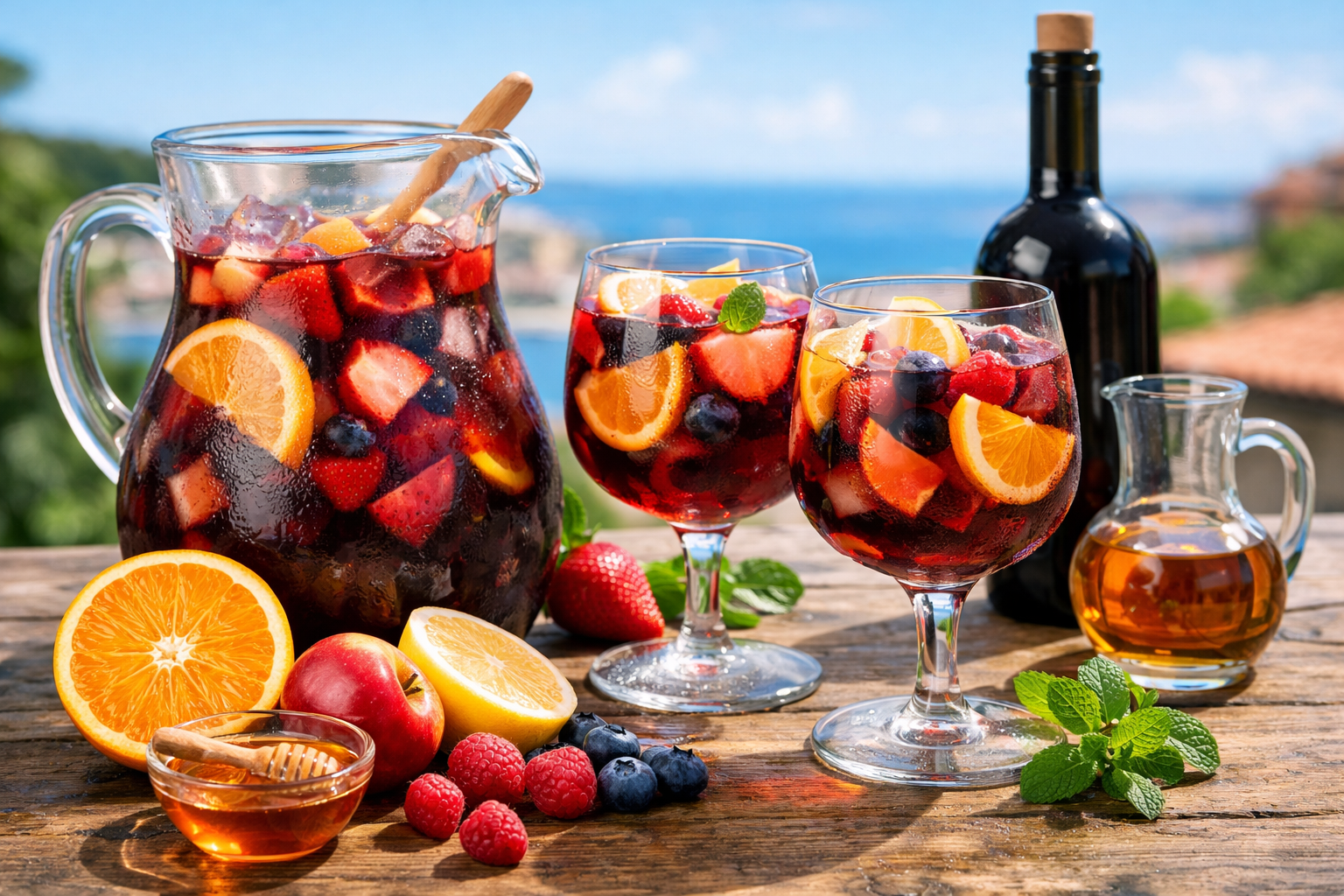
Sangria is more than just a colorful party drink—it’s a cultural symbol, a refreshing beverage, and for many people, a summer favorite. Originating in Spain and Portugal, sangria combines wine, fruits, and sometimes sweeteners or spirits, creating a flavorful and visually appealing drink. But when we look at sangria through a health and nutrition lens, the conversation becomes more complex.
Is sangria healthy? Does it offer any benefits? What are the risks? And how can you enjoy sangria without harming your health?
In this comprehensive guide, we’ll explore everything you need to know about sangria from a health perspective.
What Is Sangria? A Brief Overview
Sangria is a traditional Spanish punch made with:
-
Red or white wine
-
Chopped fruits (oranges, lemons, apples, berries)
-
Sweeteners like sugar, honey, or juice
-
Sometimes brandy, soda water, or flavored syrups
The name “sangria” comes from the Spanish word “sangre,” meaning blood, referring to its deep red color.
Over time, sangria has evolved into many variations, including:
-
Red wine sangria
-
White sangria
-
Sparkling sangria
-
Low-alcohol or non-alcoholic sangria
Nutritional Profile of Sangria
The nutrition of sangria varies depending on the ingredients used. Below is a general estimate for 1 cup (240 ml) of traditional red wine sangria:
| Nutrient | Approximate Amount |
|---|---|
| Calories | 120–180 kcal |
| Carbohydrates | 12–20 g |
| Sugar | 10–16 g |
| Alcohol | 8–12% ABV |
| Vitamin C | Small amount (from fruits) |
| Antioxidants | Present (from wine and fruits) |
The key nutritional components come from:
-
Wine → antioxidants like resveratrol
-
Fruits → vitamins, minerals, fiber
-
Added sugars → energy but little nutrition
Potential Health Benefits of Sangria
Although sangria contains alcohol, it can offer some health-related benefits when consumed in moderation.
1. Rich in Antioxidants
Red wine is packed with polyphenols and resveratrol, which are powerful antioxidants. These compounds help:
-
Reduce oxidative stress
-
Protect cells from damage
-
Lower inflammation
-
Support heart health
Fruits in sangria also contribute antioxidants like vitamin C, flavonoids, and carotenoids.
2. Supports Heart Health (In Moderation)
Moderate wine consumption has been linked to:
-
Increased HDL (good cholesterol)
-
Improved blood vessel function
-
Reduced risk of heart disease
Sangria combines wine with fruits, which may enhance these effects. However, moderation is critical.
3. Hydration Boost (Compared to Pure Alcohol)
Sangria is diluted with fruits, juice, or soda water, which can:
-
Reduce alcohol concentration
-
Provide some hydration
-
Make it easier to sip slowly
Compared to straight liquor, sangria is less dehydrating, though it still contains alcohol.
4. Source of Vitamins and Minerals
Fresh fruits add:
-
Vitamin C (immune support)
-
Potassium (blood pressure regulation)
-
Fiber (if fruits are eaten)
Eating the soaked fruit pieces can add extra nutrients.
5. Mood and Social Well-Being
Moderate alcohol consumption can:
-
Reduce stress
-
Enhance social bonding
-
Improve mood temporarily
Social connections and relaxation are important for mental health.
Health Risks and Downsides of Sangria
Despite its appealing taste and antioxidants, sangria is not a health drink. It has several risks that should not be ignored.
1. Alcohol-Related Health Risks
Sangria contains alcohol, which can lead to:
-
Liver damage
-
Increased cancer risk
-
Addiction and dependency
-
Mental health issues
-
Sleep disruption
Even moderate drinking should be approached cautiously.
2. High Sugar Content
Many sangria recipes include:
-
Added sugar
-
Sweet syrups
-
Fruit juices
High sugar intake can cause:
-
Weight gain
-
Blood sugar spikes
-
Increased risk of diabetes
-
Tooth decay
Store-bought sangria often contains more sugar than homemade versions.
3. Empty Calories
Alcohol and sugar provide calories without much nutrition. Frequent consumption can contribute to:
-
Obesity
-
Fatty liver disease
-
Poor metabolic health
4. Dehydration
Alcohol is a diuretic, meaning it increases urination and fluid loss. Without proper hydration, sangria can lead to:
-
Headaches
-
Fatigue
-
Dry skin
5. Interaction with Medications
Alcohol can interact with:
-
Antibiotics
-
Antidepressants
-
Blood pressure medications
-
Painkillers
Always consult a healthcare provider if you take medication regularly.
Is Sangria Better Than Other Alcoholic Drinks?
Compared to cocktails and spirits, sangria has some advantages:
Pros Compared to Spirits
-
Lower alcohol concentration
-
Contains antioxidants and vitamins
-
Often diluted with water or juice
Cons Compared to Wine Alone
-
More sugar
-
Extra calories
-
Easier to overconsume
So, while sangria may be better than sugary cocktails, it’s not healthier than a simple glass of dry red wine.
Sangria and Weight Loss
If you’re trying to lose weight, sangria should be consumed carefully.
Why Sangria Can Affect Weight Loss
-
High sugar content
-
Alcohol slows fat metabolism
-
Liquid calories don’t reduce hunger effectively
Tips for Weight-Conscious Sangria Drinking
-
Use dry wine
-
Avoid added sugar
-
Add soda water instead of juice
-
Limit portion size
Homemade vs Store-Bought Sangria: Health Comparison
Homemade Sangria
Pros:
-
Control over sugar
-
Fresh fruit nutrients
-
Lower additives
Cons:
-
Still contains alcohol
-
Can still be high in sugar if not careful
Store-Bought Sangria
Pros:
-
Convenient
-
Consistent flavor
Cons:
-
High preservatives
-
Artificial flavors
-
Excessive sugar
Verdict: Homemade sangria is significantly healthier.
Non-Alcoholic Sangria: A Healthy Alternative
If you love the taste but want to avoid alcohol, non-alcoholic sangria is a great option.
Ingredients for Healthy Non-Alcoholic Sangria
-
Grape juice or pomegranate juice
-
Sparkling water
-
Fresh fruits
-
Herbs like mint or cinnamon
Benefits
-
No alcohol-related risks
-
Hydrating
-
Rich in antioxidants
-
Safe for kids and pregnant women
How to Make Healthy Sangria (Nutrition-Friendly Recipe)
Ingredients
-
1 bottle dry red wine
-
Fresh oranges, apples, berries
-
1 tablespoon honey (optional)
-
Sparkling water
-
Ice
Healthy Tips
-
Skip refined sugar
-
Use plenty of fresh fruits
-
Add herbs for flavor instead of syrups
Sangria and Gut Health
Wine contains polyphenols that can:
-
Support gut microbiota
-
Reduce inflammation
However, excessive alcohol harms gut lining and microbiome balance. Eating fruit pieces can add fiber, which supports digestion.
Sangria and Mental Health
Moderate consumption may help with relaxation, but overconsumption can:
-
Increase anxiety
-
Disrupt sleep
-
Contribute to depression
Alcohol affects neurotransmitters like serotonin and dopamine.
Sangria and Skin Health
Positive Effects
-
Antioxidants help fight aging
-
Vitamin C supports collagen
Negative Effects
-
Alcohol dehydrates skin
-
Sugar promotes inflammation and acne
Balance and hydration are key.
Is Sangria Safe During Pregnancy?
No.
Alcohol should be completely avoided during pregnancy. Non-alcoholic sangria is a safe alternative.
How Much Sangria Is Safe?
Health guidelines generally suggest:
-
Women: Up to 1 drink per day
-
Men: Up to 2 drinks per day
One serving of sangria = about 1 cup (240 ml).
Drinking beyond these limits increases health risks.
Cultural and Lifestyle Aspects of Sangria
Sangria is deeply rooted in Mediterranean culture, where it’s often enjoyed with meals and social gatherings. The Mediterranean lifestyle—balanced diet, social connection, physical activity—is what contributes to health benefits, not just the drink itself.
Sangria vs Other Wine-Based Drinks
| Drink | Sugar Level | Alcohol Level | Health Impact |
|---|---|---|---|
| Dry Red Wine | Low | Moderate | High antioxidants |
| Sangria | Medium–High | Moderate | Mixed |
| Wine Coolers | High | Low–Moderate | Less healthy |
| Sweet Dessert Wine | Very High | High | Less healthy |
Tips to Enjoy Sangria Healthfully
-
Drink slowly
-
Alternate with water
-
Eat fruit pieces
-
Avoid binge drinking
-
Choose low-sugar recipes
-
Pair with healthy meals
Frequently Asked Questions (FAQs)
Is sangria healthy?
Sangria can offer antioxidants and vitamins, but it contains alcohol and sugar. It is best enjoyed in moderation.
Does sangria have more sugar than wine?
Yes, especially if sweeteners and fruit juices are added.
Can sangria help heart health?
Moderate wine intake may support heart health, but excessive drinking increases cardiovascular risk.
Is non-alcoholic sangria healthy?
Yes, it can be a nutritious and hydrating beverage when made with fresh fruits and natural juices.
Final Thoughts: Is Sangria Good or Bad for Health?
Sangria sits in a gray area between indulgence and nutrition. It contains antioxidants, vitamins, and hydrating components from fruits and wine. However, its alcohol and sugar content make it unsuitable as a regular health drink.
The key takeaway is moderation and smart preparation. Homemade sangria with fresh fruits and minimal sugar can be enjoyed occasionally as part of a balanced lifestyle. For daily health benefits, non-alcoholic sangria or simply eating fresh fruits and drinking water is a better choice.