
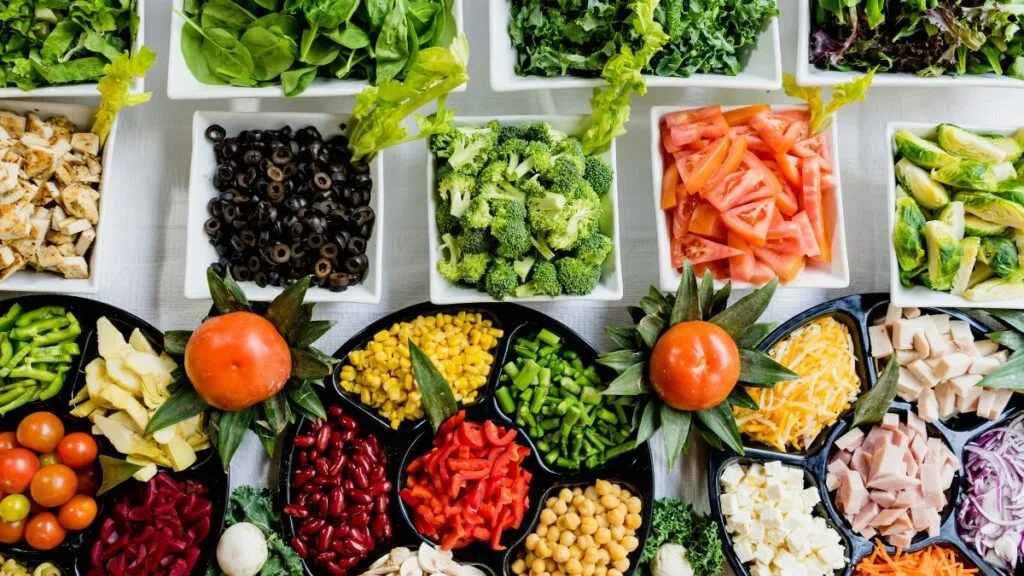
Healthy eating is one of the most important foundations of overall well-being. The foods we consume provide the energy and nutrients our bodies need to function properly, support growth and repair, maintain a healthy weight, and reduce the risk of chronic diseases. While nutrition advice can sometimes seem overwhelming, adopting a few simple healthy eating habits can make a significant difference in your long-term health.
This guide explores healthy eating habits, practical nutrition tips, and balanced diet strategies that can help you make informed food choices every day.
What Is Healthy Eating?
Healthy eating involves consuming a variety of nutrient-rich foods that provide the vitamins, minerals, protein, carbohydrates, fats, and fiber your body needs to thrive.
Rather than focusing on strict diets or temporary eating plans, healthy eating emphasizes sustainable habits that support overall health and wellness.
Key principles include:
- Eating a variety of foods
- Choosing nutrient-dense options
- Maintaining portion control
- Staying hydrated
- Limiting highly processed foods
- Balancing calorie intake with physical activity
A healthy eating pattern can be adapted to different lifestyles, cultures, and personal preferences.
Understanding a Balanced Diet
A balanced diet provides the right combination of nutrients needed for optimal health.
Fruits and Vegetables
Fruits and vegetables are rich in vitamins, minerals, antioxidants, and dietary fiber.
Benefits include:
- Supporting immune function
- Promoting digestive health
- Reducing the risk of chronic diseases
- Supporting healthy skin and vision
Aim to include a variety of colorful fruits and vegetables throughout the day.
Whole Grains
Whole grains provide complex carbohydrates, fiber, and important nutrients.
Examples include:
- Brown rice
- Oats
- Whole wheat bread
- Quinoa
- Barley
Whole grains can help maintain energy levels and support heart health.
Lean Protein Sources
Protein plays an important role in muscle maintenance, tissue repair, and overall body function.
Healthy protein sources include:
- Fish
- Poultry
- Eggs
- Beans
- Lentils
- Tofu
- Nuts and seeds
Including protein in meals can help increase satiety and support healthy body composition.
Healthy Fats
Not all fats are harmful. Healthy fats support brain function, hormone production, and heart health.
Sources include:
- Avocados
- Olive oil
- Nuts
- Seeds
- Fatty fish
Moderation remains important, even with healthier fat sources.
Dairy and Dairy Alternatives
These foods can provide important nutrients such as calcium, vitamin D, and protein.
Examples include:
- Milk
- Yogurt
- Cheese
- Fortified plant-based alternatives
Choose options that align with your nutritional needs and preferences.
Essential Nutrition Tips for Everyday Health
Making small improvements to your daily eating habits can lead to lasting benefits.
Prioritize Whole Foods
Whole foods are generally less processed and retain more of their natural nutrients.
Examples include:
- Fresh fruits
- Vegetables
- Whole grains
- Lean proteins
- Nuts and seeds
Limiting highly processed foods may help improve overall diet quality.
Practice Portion Control
Even nutritious foods should be consumed in appropriate amounts.
Helpful strategies include:
- Using smaller plates
- Reading serving sizes
- Eating slowly
- Paying attention to hunger and fullness cues
Portion awareness can support healthy weight management.
Stay Hydrated
Water is essential for nearly every bodily function.
Benefits of proper hydration include:
- Supporting digestion
- Regulating body temperature
- Maintaining energy levels
- Promoting healthy skin
Most individuals benefit from drinking water regularly throughout the day.
Reduce Added Sugars
Excessive sugar consumption may contribute to various health concerns.
Consider limiting:
- Sugary beverages
- Candy
- Sweet desserts
- Highly sweetened snacks
Replacing sugary drinks with water can be a simple and effective change.
Limit Excess Sodium
Many processed foods contain high amounts of sodium.
Reducing sodium intake may help support:
- Heart health
- Healthy blood pressure levels
- Overall wellness
Choosing fresh foods and reading nutrition labels can help manage sodium consumption.
Building Healthy Eating Habits
Long-term success often comes from consistent habits rather than drastic dietary changes.
Plan Meals Ahead
Meal planning can help:
- Reduce unhealthy food choices
- Save time
- Improve grocery shopping efficiency
- Support nutritional goals
Preparing meals in advance can make healthy eating more convenient.
Eat Mindfully
Mindful eating involves paying attention to:
- Hunger signals
- Food choices
- Eating pace
- Satisfaction levels
Avoiding distractions during meals may improve awareness and enjoyment of food.
Don’t Skip Meals
Skipping meals may lead to excessive hunger and poor food choices later in the day.
Regular meals can help:
- Maintain energy levels
- Support concentration
- Reduce overeating
Consistent eating patterns often contribute to better nutritional balance.
Common Nutrition Mistakes to Avoid
Many people unintentionally adopt habits that can interfere with healthy eating goals.
Common mistakes include:
- Following extreme diets
- Relying heavily on processed foods
- Ignoring portion sizes
- Drinking too many sugary beverages
- Consuming insufficient fruits and vegetables
- Neglecting hydration
Recognizing these habits can help individuals make healthier choices over time.
Benefits of a Balanced Diet
A nutritious eating pattern can positively impact many aspects of health.
Potential benefits include:
- Improved energy levels
- Better digestive health
- Stronger immune function
- Healthier weight management
- Improved heart health
- Enhanced mental well-being
- Reduced risk of chronic diseases
Healthy eating supports both short-term vitality and long-term wellness.
Creating a Sustainable Nutrition Plan
The most effective nutrition plan is one that can be maintained consistently.
When developing healthy eating habits:
- Set realistic goals
- Make gradual changes
- Focus on progress rather than perfection
- Include foods you enjoy
- Allow flexibility for special occasions
Sustainable habits are more likely to produce lasting results than restrictive approaches.
Conclusion
Healthy eating is not about perfection or strict dietary rules. It is about making informed choices that nourish your body and support overall well-being. By focusing on balanced meals, whole foods, proper hydration, and sustainable habits, you can build a nutrition plan that promotes long-term health and vitality.
Small, consistent improvements in your daily eating habits can have a meaningful impact on your quality of life, helping you feel better, stay energized, and support your health goals for years to come.