In the world of fitness, hydration, and sports nutrition, few names are as recognizable as Gatorade. For decades, athletes and active individuals have relied on this iconic beverage to replenish electrolytes and stay hydrated during intense workouts and competitions.
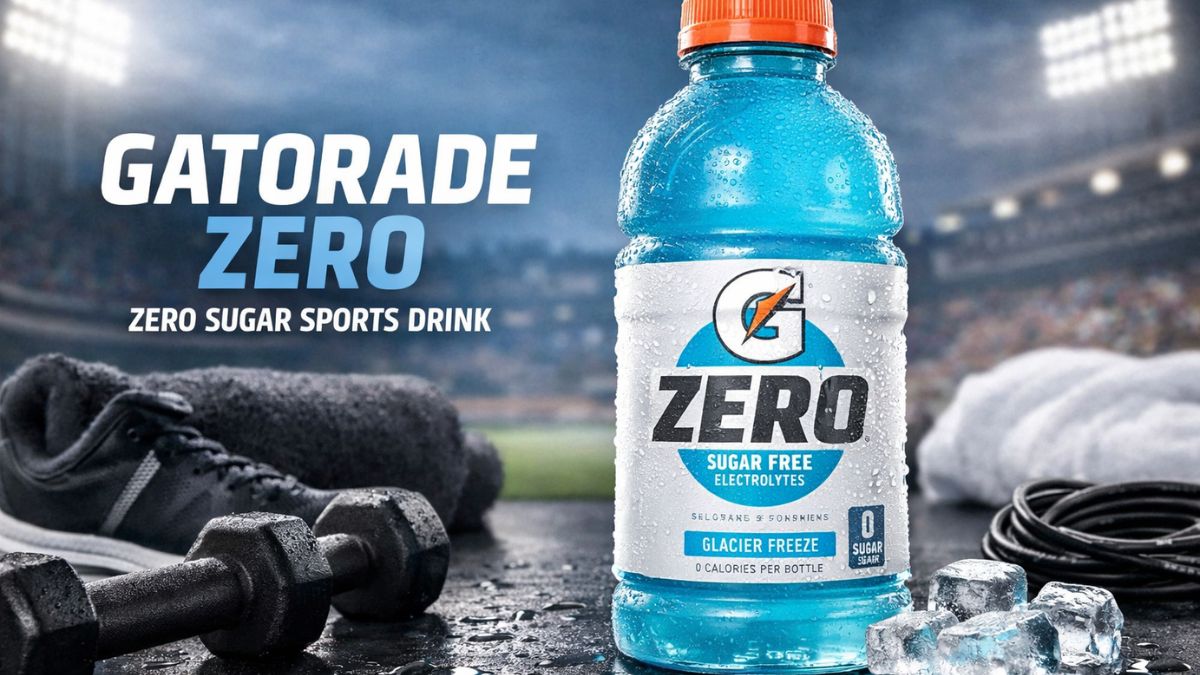
In recent years, a newer option has become increasingly popular among health-conscious consumers: Gatorade Zero. Designed to deliver the same electrolytes as traditional Gatorade but without the sugar and calories, it offers a modern solution for people who want hydration without added carbohydrates.
Whether you are an athlete, someone trying to lose weight, or simply looking for a healthier beverage alternative, understanding how Gatorade Zero works—and when it is useful—can help you make smarter hydration choices.
This comprehensive guide explores everything you need to know about Gatorade Zero, including its ingredients, benefits, potential drawbacks, hydration science, and how it compares to other sports drinks.
What Is Gatorade Zero?
Gatorade Zero is a low-calorie sports drink formulated to provide hydration and electrolytes without sugar. It was developed by PepsiCo, the parent company behind the Gatorade brand.
Unlike traditional sports drinks that contain carbohydrates for energy, Gatorade Zero focuses purely on hydration and electrolyte replenishment.
Key Characteristics
Gatorade Zero is known for several defining features:
-
Zero sugar
-
Very low calories
-
Electrolytes for hydration
-
Flavored beverage options
-
Suitable for low-carb or ketogenic diets
This makes it appealing for people who want the benefits of a sports drink but wish to avoid sugar intake.
The History of the Gatorade Brand
To understand Gatorade Zero, it helps to know where the Gatorade brand originated.
Gatorade was created in 1965 by researchers at the University of Florida. The drink was originally designed to help the university’s football team—the Florida Gators—stay hydrated during games in extreme heat.
Athletes were losing large amounts of fluids and electrolytes through sweat, which led to fatigue and decreased performance.
The researchers developed a drink containing:
-
Water
-
Electrolytes
-
Carbohydrates
This formula helped players maintain energy and hydration. The drink was later commercialized and became one of the most successful sports beverages in history.
As consumer health trends shifted toward lower sugar and lower calories, Gatorade introduced Gatorade Zero to meet modern nutritional preferences.
Why Hydration Matters for Health
Hydration is one of the most fundamental aspects of human health. The human body is approximately 60% water, and nearly every biological function depends on adequate fluid levels.
Key Roles of Hydration
Proper hydration supports:
-
Temperature regulation
-
Muscle function
-
Blood circulation
-
Brain performance
-
Nutrient transportation
-
Waste removal
Even mild dehydration can cause:
-
Fatigue
-
Headaches
-
Poor concentration
-
Reduced athletic performance
Electrolytes play an important role in hydration because they help the body maintain fluid balance.
What Are Electrolytes?
Electrolytes are minerals that carry electrical charges in the body. They regulate many essential physiological processes.
Common electrolytes include:
-
Sodium
-
Potassium
-
Chloride
-
Magnesium
-
Calcium
During exercise or intense sweating, the body loses these minerals. Replacing them helps maintain proper muscle function and hydration.
Gatorade Zero contains electrolytes—primarily sodium and potassium—which help replenish what the body loses through sweat.
Ingredients in Gatorade Zero
One reason many people choose Gatorade Zero is its simplified ingredient profile compared with sugary sports drinks.
Typical ingredients include:
1. Water
The main component responsible for hydration.
2. Electrolytes
Sodium and potassium help maintain fluid balance and nerve function.
3. Artificial Sweeteners
Instead of sugar, Gatorade Zero uses sweeteners such as:
-
Sucralose
-
Acesulfame potassium
These provide sweetness without adding calories.
4. Natural and Artificial Flavors
These give the beverage its distinctive taste.
5. Food Coloring
Different flavors have different colors for visual appeal.
Nutritional Profile
One bottle of Gatorade Zero typically contains:
-
Calories: 0–10
-
Sugar: 0 grams
-
Carbohydrates: 0–1 gram
-
Sodium: about 160 mg
-
Potassium: about 45 mg
These numbers may vary slightly depending on the flavor and serving size.
The absence of sugar makes it appealing to people following low-carb diets or trying to reduce calorie intake.
Health Benefits of Gatorade Zero
Many people choose Gatorade Zero because it offers several potential health benefits.
1. Hydration Support
The primary benefit of Gatorade Zero is improved hydration.
Water alone hydrates the body, but electrolytes help maintain fluid balance more efficiently during heavy sweating.
For athletes or people working in hot environments, electrolyte drinks can support better hydration.
2. Zero Sugar
One of the biggest advantages is the absence of sugar.
Traditional sports drinks often contain 20–35 grams of sugar per bottle, which can contribute to excess calorie consumption.
Gatorade Zero eliminates this concern while still delivering flavor and electrolytes.
3. Weight Management
For people trying to lose weight or maintain a calorie deficit, sugary beverages can be a hidden source of calories.
Replacing high-calorie drinks with Gatorade Zero may help reduce overall calorie intake.
4. Suitable for Low-Carb Diets
Many popular diets restrict carbohydrates, including:
-
Keto diet
-
Low-carb diets
-
Certain diabetic meal plans
Because Gatorade Zero contains almost no carbohydrates, it fits easily into these dietary approaches.
5. Supports Athletic Recovery
After intense workouts, athletes need to replenish fluids and electrolytes.
Gatorade Zero can help restore lost minerals without adding sugar, making it a convenient recovery drink.
Who Should Drink Gatorade Zero?
Gatorade Zero is particularly useful for certain groups of people.
Athletes
Athletes who sweat heavily during training may benefit from electrolyte replacement.
Fitness Enthusiasts
Gym-goers often use electrolyte beverages during workouts lasting more than an hour.
Outdoor Workers
People working in hot climates—construction workers, farmers, and delivery drivers—may experience significant fluid loss.
People Reducing Sugar Intake
Those trying to reduce sugar consumption often replace sodas or sweet drinks with zero-sugar alternatives.
When Gatorade Zero May Not Be Necessary
Despite its benefits, not everyone needs a sports drink.
For many people, plain water is sufficient.
If you are:
-
Sitting at a desk
-
Doing light activity
-
Exercising for less than 45 minutes
water is usually enough to maintain hydration.
Sports drinks—including Gatorade Zero—are most beneficial during prolonged physical activity or heavy sweating.
Comparing Gatorade Zero With Regular Gatorade
To understand the differences, let’s compare the two.
| Feature | Regular Gatorade | Gatorade Zero |
|---|---|---|
| Sugar | High | None |
| Calories | About 140 per bottle | 0–10 |
| Carbohydrates | High | Very low |
| Electrolytes | Yes | Yes |
| Energy source | Provides carbs | No energy |
Regular Gatorade is designed for endurance athletes who need carbohydrates for energy, while Gatorade Zero focuses on hydration without energy intake.
Gatorade Zero vs. Water
Water remains the most natural and accessible hydration option.
However, electrolyte drinks like Gatorade Zero may provide advantages during certain situations:
Water is best for:
-
Everyday hydration
-
Light physical activity
-
Maintaining basic fluid balance
Gatorade Zero is helpful for:
-
Intense exercise
-
Long training sessions
-
Heavy sweating
-
Electrolyte replacement
Both can be part of a healthy hydration strategy.
Artificial Sweeteners: Are They Safe?
A common question about Gatorade Zero concerns its artificial sweeteners.
The sweeteners used in the drink have been approved by major food safety authorities and are widely used in low-calorie beverages.
Most scientific research indicates that these sweeteners are safe when consumed in moderate amounts.
However, some individuals prefer to limit artificial ingredients or may experience digestive discomfort.
If this applies to you, natural hydration options may be preferable.
Popular Gatorade Zero Flavors
Flavor variety has helped increase the popularity of Gatorade Zero.
Popular options include:
-
Glacier Freeze
-
Berry
-
Lemon-Lime
-
Orange
-
Glacier Cherry
-
Fruit Punch
These flavors mirror those found in traditional Gatorade but without the sugar.
Potential Drawbacks of Gatorade Zero
Although Gatorade Zero has advantages, it also has some potential limitations.
1. Artificial Ingredients
Some consumers prefer beverages with natural ingredients.
Artificial sweeteners and food coloring may be a concern for those seeking minimally processed products.
2. Not an Energy Drink
Unlike traditional sports drinks, Gatorade Zero does not provide carbohydrates.
Athletes performing endurance sports may still need carbohydrate-based hydration during long events.
3. Overuse May Be Unnecessary
For people with sedentary lifestyles, drinking sports beverages regularly may not provide significant benefits.
Water is usually enough for basic hydration.
Hydration Tips for a Healthy Lifestyle
Hydration is about more than just drinking a sports beverage.
Here are some practical hydration tips.
Drink consistently
Instead of drinking large amounts at once, consume fluids regularly throughout the day.
Monitor urine color
Pale yellow urine usually indicates good hydration.
Eat water-rich foods
Foods like fruits and vegetables also contribute to hydration.
Replace electrolytes during intense activity
After heavy sweating, electrolyte drinks like Gatorade Zero can help restore balance.
Can People With Diabetes Drink Gatorade Zero?
Many people with diabetes choose Gatorade Zero because it contains no sugar and almost no carbohydrates.
However, individual dietary needs vary.
People with diabetes should consult healthcare professionals before making changes to their hydration or nutrition routines.
Gatorade Zero and Fitness Culture
The rise of Gatorade Zero reflects broader changes in health culture.
Modern consumers increasingly prioritize:
-
Reduced sugar intake
-
Low-calorie beverages
-
Functional hydration
-
Fitness-focused nutrition
As more people adopt active lifestyles, electrolyte beverages have become common in gyms, training programs, and sports facilities.
Environmental Considerations
Like many bottled beverages, sports drinks raise environmental concerns related to plastic waste.
Consumers can reduce their environmental impact by:
-
Recycling bottles
-
Using refillable containers
-
Choosing powdered electrolyte mixes when available
Responsible consumption helps minimize environmental impact.
The Future of Sports Hydration
The hydration market continues to evolve as health trends change.
Future innovations may include:
-
Natural electrolyte drinks
-
Plant-based hydration solutions
-
Sustainable packaging
-
Personalized hydration formulas
Gatorade continues to invest in research and development to stay competitive in this growing industry.
Final Thoughts
Gatorade Zero represents a modern approach to sports hydration. By delivering electrolytes without sugar or significant calories, it offers a convenient option for athletes, fitness enthusiasts, and health-conscious consumers.
However, like any beverage, it should be used appropriately. For everyday hydration, water remains the best choice. But during intense workouts, prolonged exercise, or heavy sweating, electrolyte drinks can play a valuable role in maintaining performance and recovery.
Ultimately, the key to healthy hydration is balance. Understanding your body’s needs—based on activity level, environment, and personal health goals—will help you decide whether Gatorade Zero deserves a place in your daily routine.