In recent years, energy drinks have become a daily ritual for millions of people worldwide. Whether you are a student pulling an all-nighter, a fitness enthusiast preparing for a workout, or a professional needing an afternoon boost, energy drinks promise quick energy and improved focus. Among the newer and most talked-about brands is Alani Energy Drink, often marketed as a healthier and lifestyle-friendly alternative.
With pastel-colored cans, social media influencers, and claims of zero sugar and added vitamins, Alani Energy Drink has gained massive popularity—especially among young adults and women. But is it really healthy? What are the benefits and risks? And should you make it part of your daily routine?
This comprehensive guide explores everything you need to know about Alani Energy Drink—from ingredients and health benefits to side effects, safety tips, and expert opinions.
What Is Alani Energy Drink?
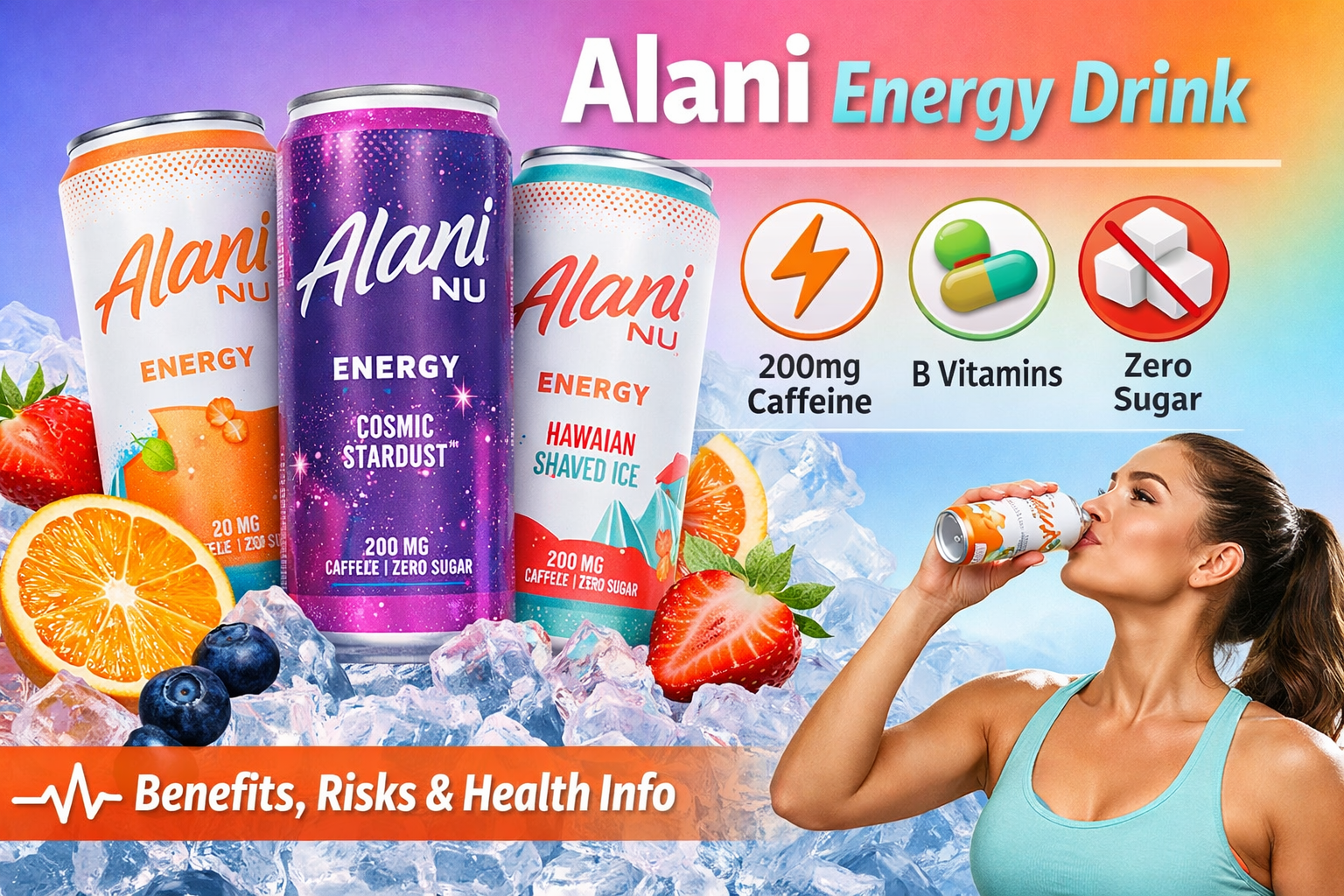
Alani Energy Drink is a popular sugar-free energy beverage developed by the brand Alani Nu, a wellness-focused company known for supplements, protein bars, and fitness products. It is marketed as a cleaner, low-calorie alternative to traditional energy drinks like Monster or Red Bull.
A typical 12-ounce can contains about 200 mg of caffeine, which is considered a high dose compared to many standard beverages.
Despite its high caffeine content, it contains zero sugar and only about 10 calories per serving, making it appealing for people watching their weight or sugar intake.
Key Ingredients in Alani Energy Drink
Understanding the ingredients is essential to determine whether a drink is healthy or risky.
1. Caffeine
Caffeine is the main stimulant in Alani Energy Drink. Each can contains around 200 mg of caffeine, equivalent to about two cups of strong coffee.
Caffeine improves alertness, reaction time, and physical performance, but excessive intake can lead to negative effects like anxiety, insomnia, and increased heart rate.
2. Taurine
Taurine is an amino acid commonly found in energy drinks. It supports nerve function, hydration, and muscle performance. Some studies suggest taurine may reduce oxidative stress and support cardiovascular health.
3. L-Theanine
L-theanine is known for its calming effect and may reduce the jittery side effects of caffeine. This ingredient helps balance stimulation and relaxation.
4. B Vitamins
Alani Energy Drink contains B3, B5, B6, and B12, which support metabolism and energy production in the body. Some versions provide more than 100% of daily recommended values.
5. Artificial Sweeteners
To keep calories low, Alani uses sweeteners like sucralose and erythritol instead of sugar. While generally safe in moderation, they can cause digestive discomfort in sensitive individuals.
6. Herbal Extracts
Ingredients like guarana, ginseng, and L-carnitine are added for energy metabolism and mental focus. These compounds are commonly used in supplements and sports nutrition products.
Health Benefits of Alani Energy Drink
1. Boosts Energy and Mental Focus
The primary benefit of Alani Energy Drink is increased alertness and concentration. Caffeine stimulates the central nervous system, improving reaction time and mental clarity.
2. Enhances Workout Performance
Many fitness enthusiasts use Alani Energy Drink as a pre-workout supplement. Caffeine and L-carnitine may improve endurance, fat oxidation, and exercise performance.
3. Zero Sugar and Low Calories
Unlike many sugary sodas and energy drinks, Alani contains zero sugar and only about 10 calories. This makes it attractive for weight management and low-carb diets.
4. Supports Metabolism
B vitamins play a crucial role in converting food into energy. This can help reduce fatigue, especially for people with vitamin deficiencies.
5. Convenient and Tasty
Alani Energy Drinks are available in trendy flavors like Cosmic Stardust, Hawaiian Shaved Ice, and Mimosa, making them enjoyable compared to traditional bitter energy drinks.
Potential Side Effects and Health Risks
While Alani Energy Drink has benefits, it also comes with potential risks, especially if consumed excessively.
1. High Caffeine Content
One can contains 200 mg of caffeine, which is half of the FDA’s recommended daily limit for adults.
Consuming multiple cans can lead to:
-
Anxiety
-
Headaches
-
Rapid heartbeat
-
Insomnia
-
Restlessness
2. Sleep Disruption
Caffeine can stay in your system for hours. Drinking Alani late in the day may affect sleep quality and lead to fatigue the next day.
3. Digestive Issues
Artificial sweeteners like erythritol and sucralose may cause bloating or diarrhea in sensitive individuals.
4. Dependence on Caffeine
Regular consumption of energy drinks can lead to caffeine dependence. When you stop consuming caffeine, you may experience withdrawal symptoms like fatigue, irritability, and headaches.
5. Not Recommended for Certain Groups
Energy drinks, including Alani, are not recommended for:
-
Children and teenagers
-
Pregnant or breastfeeding women
-
People with heart conditions
-
Individuals sensitive to caffeine
Alani Energy Drink vs Coffee
Many people wonder whether Alani Energy Drink is healthier than coffee.
Pros Compared to Coffee
-
More convenient and flavored
-
Contains vitamins and supplements
-
Sugar-free options
Cons Compared to Coffee
-
Higher caffeine per serving
-
Contains artificial sweeteners
-
More expensive
-
Less natural
Coffee, especially black coffee, is generally considered healthier when consumed in moderation.
Alani Energy Drink and Weight Loss
Many consumers believe Alani Energy Drink helps with weight loss due to its metabolism-boosting ingredients and zero calories.
Does It Really Help?
Caffeine can slightly increase metabolism and fat burning, but it is not a magic weight-loss solution. Sustainable weight loss still requires diet, exercise, and lifestyle changes.
Marketing and Social Media Influence
Alani Energy Drink is heavily marketed on social media platforms like Instagram and TikTok, often promoted by fitness influencers and celebrities. This marketing strategy has contributed significantly to its popularity.
However, experts warn that such marketing can sometimes mislead consumers into believing energy drinks are health supplements rather than stimulants.
Expert Opinions on Energy Drinks
Nutrition experts generally agree that energy drinks can be consumed safely in moderation, but they should not replace healthy habits like sleep, hydration, and balanced nutrition.
A dietitian noted that while low-sugar energy drinks can be a better option than sugary sodas, high caffeine intake can lead to crashes and side effects if not managed properly.
Real-Life Experiences and Community Opinions
Many users online share mixed experiences with Alani Energy Drink. Some report feeling energized without jitters, while others experience insomnia or anxiety.
These experiences vary depending on caffeine tolerance, body weight, and sensitivity.
How Much Alani Energy Drink Is Safe to Consume?
Health authorities recommend limiting caffeine intake to 400 mg per day for healthy adults, which means no more than two cans of Alani Energy Drink daily.
For teenagers, the recommended limit is much lower (around 100 mg per day), so even one can may exceed safe levels.
Tips for Safe Consumption
Here are some practical tips to enjoy Alani Energy Drink safely:
-
Limit consumption to one can per day
-
Avoid drinking it late in the evening
-
Stay hydrated with water
-
Avoid mixing with alcohol
-
Monitor your caffeine intake from other sources
Alternatives to Alani Energy Drink
If you want energy without high caffeine levels, consider:
-
Green tea
-
Matcha
-
Black coffee
-
Natural smoothies
-
Herbal energy supplements
These options provide sustained energy without extreme caffeine spikes.
Pros and Cons Summary
Pros
-
Zero sugar and low calories
-
High caffeine for energy boost
-
Added vitamins and supplements
-
Trendy flavors and packaging
Cons
-
Very high caffeine content
-
Artificial sweeteners
-
Potential side effects
-
Risk of dependence
Frequently Asked Questions (FAQs)
Is Alani Energy Drink healthy?
It can be safe in moderation for healthy adults, but excessive consumption can be harmful.
Can I drink Alani every day?
Yes, but limit it to one can per day and monitor your total caffeine intake.
Is Alani better than Monster or Red Bull?
It has less sugar and calories, but similar or higher caffeine content, so moderation is still important.
Can Alani help with workouts?
Yes, caffeine can enhance performance, but it should not replace proper nutrition and hydration.
Conclusion: Should You Drink Alani Energy Drink?
Alani Energy Drink is a modern, trendy energy beverage designed for people who want quick energy without sugar. Its low calories, appealing flavors, and added vitamins make it attractive, especially to fitness-focused consumers.
However, it is not a health drink or supplement. The high caffeine content means it should be consumed carefully. Drinking too much can lead to anxiety, sleep problems, and other health issues.
If you enjoy Alani Energy Drink, the key is moderation. Use it as an occasional boost—not a daily habit—and prioritize natural energy sources like sleep, exercise, and balanced nutrition.