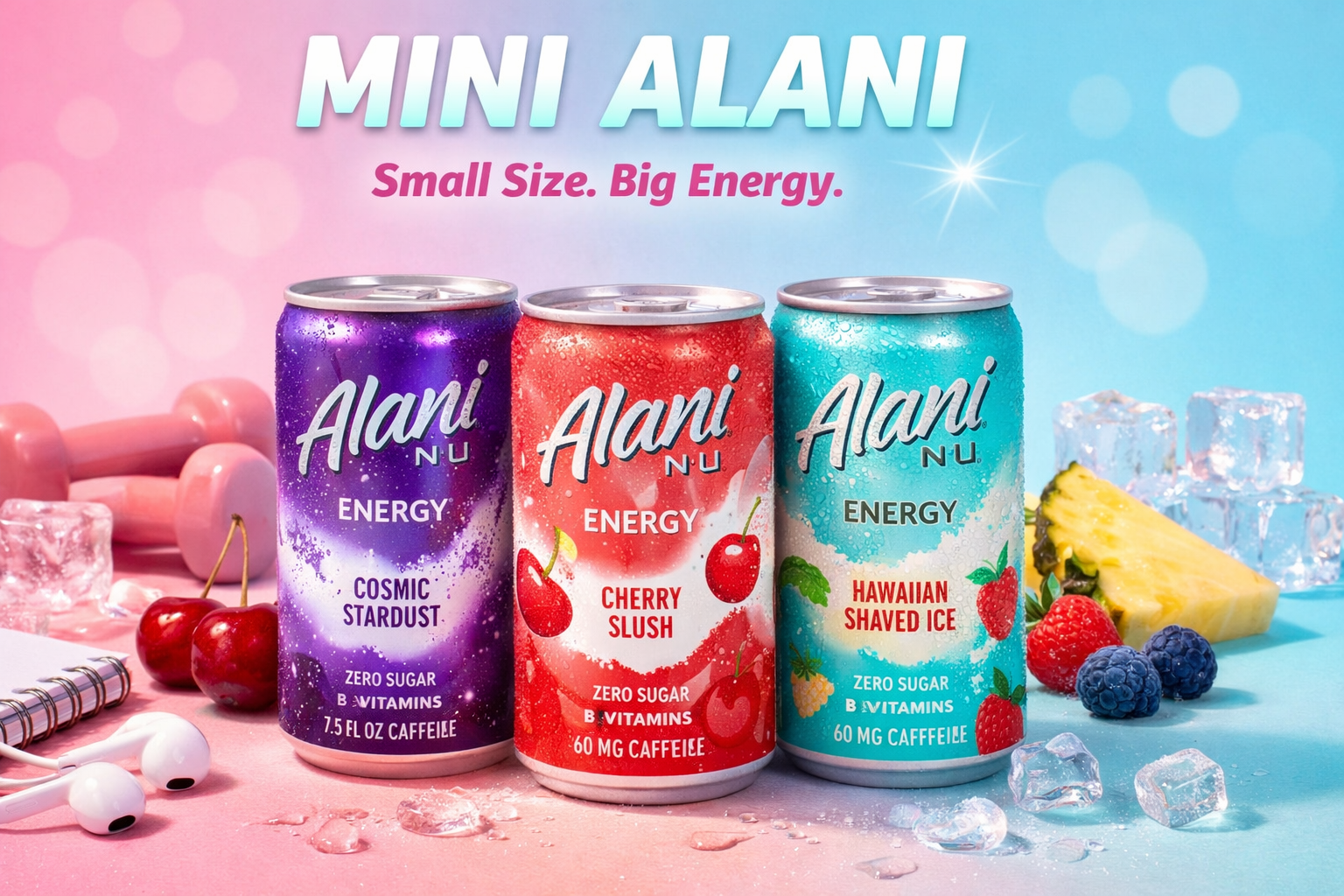
In recent years, energy drinks have become a daily ritual for millions of people. Whether you’re a student pulling an all-nighter, a gym enthusiast chasing a PR, or a busy professional trying to survive long workdays, energy drinks offer a quick boost. Among the popular brands on the market, Alani Nu has gained massive attention for its stylish branding, appealing flavors, and wellness-focused marketing.
Now, a new trend is emerging—Mini Alani. These smaller-sized energy drinks are quickly becoming a favorite for health-conscious consumers who want energy without overdoing it. But what exactly is Mini Alani, and is it healthy?
Let’s dive deep into the world of Mini Alani, its nutritional benefits, potential risks, and how it fits into a healthy lifestyle.
What Is Mini Alani?
Mini Alani refers to the smaller, compact versions of Alani energy drinks. While traditional Alani cans typically come in standard sizes (like 12 oz), mini versions are designed for:
-
Portion control
-
Reduced caffeine intake
-
Convenient on-the-go consumption
-
People sensitive to stimulants
These mini cans are often marketed as a “lighter” energy option that still delivers flavor and functionality without overwhelming the body.
Why Are Mini Energy Drinks Becoming Popular?
The wellness industry is shifting toward moderation and mindful consumption. Instead of drinking large amounts of stimulants, consumers now prefer controlled doses.
Mini energy drinks like Mini Alani offer:
-
Smaller serving size
-
Lower caffeine content
-
Fewer calories
-
Less sugar (or no sugar)
-
Portable packaging
This aligns with modern health trends that emphasize balance rather than extremes.
Nutritional Profile of Mini Alani
While the exact nutrition facts may vary depending on flavor and formulation, Mini Alani typically includes:
1. Caffeine
Caffeine is the primary ingredient in energy drinks. Mini Alani usually contains less caffeine than a full-size can, making it suitable for:
-
Beginners
-
People sensitive to caffeine
-
Afternoon energy boosts
2. B Vitamins
B vitamins like B3, B6, and B12 are commonly added to support:
-
Energy metabolism
-
Brain function
-
Red blood cell production
3. Amino Acids
Ingredients like L-theanine and taurine may help:
-
Improve focus
-
Reduce jitters
-
Support mental clarity
4. Sweeteners
Most Alani products are sugar-free and use sweeteners like sucralose or erythritol to keep calories low.
Health Benefits of Mini Alani
1. Controlled Energy Boost
Mini Alani provides a moderate energy lift without the crash often associated with large energy drinks.
2. Lower Caffeine Risk
Smaller servings mean less risk of caffeine overdose, which can cause anxiety, palpitations, or insomnia.
3. Weight-Friendly
Most Mini Alani drinks are low-calorie and sugar-free, making them compatible with weight-loss diets.
4. Enhanced Focus and Productivity
The combination of caffeine and amino acids can improve concentration, making Mini Alani popular among students and professionals.
5. Hydration-Friendly Alternative
While not a substitute for water, sugar-free energy drinks can be a better option than sugary sodas.
Potential Side Effects of Mini Alani
Despite the benefits, Mini Alani is not risk-free. Moderation is key.
1. Caffeine Sensitivity
Even small amounts of caffeine can cause:
-
Nervousness
-
Rapid heartbeat
-
Digestive issues
-
Sleep disturbances
2. Artificial Sweeteners
Some people experience bloating or headaches from artificial sweeteners.
3. Dependency Risk
Relying on energy drinks daily can lead to caffeine dependence and fatigue when not consumed.
Mini Alani vs Regular Energy Drinks
| Feature | Mini Alani | Regular Energy Drinks |
|---|---|---|
| Serving Size | Small | Large |
| Caffeine | Moderate | High |
| Calories | Low | Often High |
| Sugar | Usually Zero | Often High |
| Convenience | High | Medium |
Mini Alani stands out for those who want energy without the excessive stimulant load.
Who Should Drink Mini Alani?
Mini Alani can be suitable for:
-
College students
-
Fitness enthusiasts
-
Busy professionals
-
Gamers and streamers
-
People cutting down on caffeine
However, it is not recommended for:
-
Children
-
Pregnant or breastfeeding women
-
People with heart conditions
-
Individuals sensitive to stimulants
Always consult a healthcare provider if unsure.
Mini Alani and Fitness
Many gym-goers use Mini Alani as a light pre-workout drink. It can help:
-
Increase alertness
-
Improve workout performance
-
Reduce perceived fatigue
Unlike heavy pre-workout formulas, Mini Alani offers a gentler boost, which is ideal for casual workouts.
Mini Alani for Students and Professionals
Long study sessions and office hours can drain mental energy. Mini Alani offers:
-
Mental clarity
-
Increased alertness
-
Better productivity
Because of its smaller size, it’s a great option for afternoon slumps without ruining nighttime sleep.
Flavor Options and Consumer Appeal
One reason Alani is popular is its fun and refreshing flavors, such as:
-
Cherry Slush
-
Cosmic Stardust
-
Pink Slush
-
Hawaiian Shaved Ice
-
Blue Raspberry
Mini versions often replicate these flavors, making them appealing to younger audiences and health-conscious consumers alike.
Is Mini Alani Better Than Coffee?
This depends on personal preference and health goals.
Coffee Pros
-
Natural antioxidants
-
Minimal additives
-
Customizable
Mini Alani Pros
-
Convenient
-
Flavored
-
Sugar-free
-
Added vitamins and amino acids
For those who dislike coffee, Mini Alani can be an enjoyable alternative.
Mini Alani and Weight Loss
Because Mini Alani is typically low in calories and sugar-free, it can fit into a weight-loss plan. Caffeine may also slightly boost metabolism and fat oxidation.
However, it should not be relied on as a weight-loss solution. Diet, exercise, and sleep remain the primary factors.
Sustainability and Packaging
Mini cans often use less material, which may reduce environmental impact. However, recycling habits still play a crucial role. Always recycle cans responsibly to minimize waste.
Psychological Effects of Energy Drinks
Energy drinks can have psychological benefits such as:
-
Increased motivation
-
Improved mood
-
Enhanced cognitive performance
But excessive use can lead to:
-
Anxiety
-
Irritability
-
Dependence
Mini Alani’s smaller serving size makes it easier to maintain balance.
How to Consume Mini Alani Safely
Here are some tips for safe consumption:
-
Limit intake to 1–2 mini cans per day
-
Avoid drinking late at night
-
Stay hydrated with water
-
Do not mix with alcohol
-
Monitor how your body reacts
Mini Alani in Modern Lifestyle Culture
Mini Alani is more than just a drink—it’s part of modern wellness culture. Social media influencers, fitness trainers, and lifestyle bloggers often promote energy drinks as part of a productive lifestyle.
The mini version reflects a shift toward mindful consumption and aesthetic wellness trends.
Myths and Facts About Mini Alani
Myth: All energy drinks are unhealthy
Fact: Moderation matters. Mini Alani can be healthier than sugary sodas.
Myth: Sugar-free means risk-free
Fact: Artificial sweeteners still affect some people.
Myth: More caffeine equals more productivity
Fact: Excess caffeine can reduce performance and cause crashes.
Expert Opinions on Mini Energy Drinks
Many nutritionists agree that smaller energy drink servings are a step in the right direction. They encourage:
-
Controlled caffeine intake
-
Avoiding excessive sugar
-
Reading ingredient labels
Mini Alani aligns with these recommendations when consumed responsibly.
Mini Alani and Mental Health
Caffeine can temporarily improve mood and alertness, but excessive intake may worsen anxiety and sleep disorders. Mini Alani’s reduced caffeine content may be more suitable for individuals prone to stress.
Comparing Mini Alani with Other Mini Energy Drinks
Other brands also offer mini energy drinks, but Alani stands out due to:
-
Strong branding
-
Unique flavors
-
Female-focused wellness marketing
-
Transparent nutrition labeling
Future Trends in Mini Energy Drinks
The mini energy drink market is expected to grow as consumers demand:
-
Functional beverages
-
Natural ingredients
-
Sustainable packaging
-
Personalized nutrition
Mini Alani is part of this evolving health beverage landscape.
Should You Try Mini Alani?
If you’re looking for a lighter, flavorful, and convenient energy boost, Mini Alani can be worth trying. However, it’s essential to listen to your body and avoid overconsumption.
Final Thoughts: Is Mini Alani Healthy?
Mini Alani represents a healthier shift in the energy drink industry. Its smaller serving size, low-calorie formulation, and moderate caffeine content make it a better option compared to traditional energy drinks.
However, it’s not a magic health drink. Balance, moderation, and a healthy lifestyle are still the keys to long-term wellness.
If you enjoy flavored energy drinks but want a controlled dose, Mini Alani can be a smart addition to your routine.
Frequently Asked Questions (FAQs)
1. Is Mini Alani safe to drink daily?
Yes, in moderation. Limit to one or two mini cans per day and avoid late-night consumption.
2. Does Mini Alani contain sugar?
Most Mini Alani drinks are sugar-free and use artificial sweeteners.
3. Can Mini Alani help with workouts?
Yes, it can provide a mild energy boost for workouts, especially for beginners.
4. Is Mini Alani better than regular Alani?
It depends on your caffeine tolerance. Mini versions are better for controlled intake.
5. Can teenagers drink Mini Alani?
Energy drinks are generally not recommended for children or teenagers due to caffeine sensitivity.