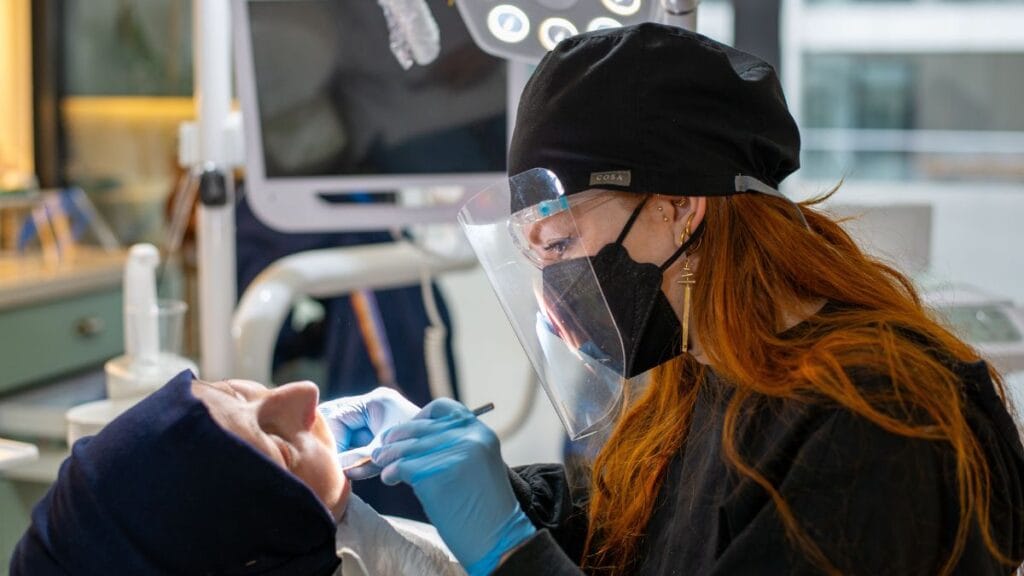
Tooth loss is no longer viewed as an inevitable consequence of ageing. Across Australia, a growing emphasis on preventive dental care is transforming the way people protect their smiles, allowing many individuals to preserve their natural teeth well into later life. Modern dentistry has shifted from simply repairing damage to preventing it from developing in the first place. This proactive philosophy empowers Australians to make informed decisions that strengthen their oral health while reducing the likelihood of extensive dental treatment in the future.
The mouth functions as a dynamic ecosystem where every tooth, gum tissue, and supporting bone contributes to overall wellbeing. Preventive care recognises that oral health is not determined by occasional treatment alone but by consistent habits, early intervention, and personalised professional guidance. Instead of waiting for pain to signal a problem, preventive dentistry encourages Australians to identify risk factors before irreversible damage occurs.
One of the greatest contributors to tooth loss remains gum disease. Although often painless in its early stages, periodontal disease gradually destroys the tissues and bone that support the teeth. Without timely management, even healthy teeth can become loose and eventually require extraction. Regular professional examinations allow dentists to detect subtle changes in gum health long before patients notice symptoms themselves. Early treatment can significantly reduce inflammation, slow disease progression, and help preserve natural teeth for decades.
Dental decay presents another challenge that preventive care successfully addresses. Tiny areas of enamel demineralisation may initially be invisible to the naked eye, yet they can be identified using advanced diagnostic technology. Professional fluoride applications, dietary counselling, fissure sealants, and personalised oral hygiene instructions enable patients to halt early decay before it develops into larger cavities that threaten the integrity of the tooth. The philosophy is simple: preserving healthy tooth structure today creates stronger foundations for tomorrow.
Preventive dentistry has also become increasingly personalised. Australian dental professionals recognise that no two mouths are identical. Genetics, medications, lifestyle choices, medical conditions, dietary habits, and saliva composition all influence an individual’s risk of developing dental disease. Rather than applying a one-size-fits-all approach, clinicians develop customised prevention plans tailored to each person’s unique circumstances. This precision-based model improves long-term outcomes while encouraging greater patient participation in maintaining oral health.
Technology has accelerated this preventive revolution. Digital radiography, intraoral scanners, artificial intelligence-assisted imaging, and photographic monitoring enable clinicians to compare subtle changes over time with remarkable accuracy. These innovations allow small problems to be identified earlier than ever before, reducing the need for invasive procedures. The earlier an issue is recognised, the greater the opportunity to preserve the natural tooth instead of replacing it.
Nutrition also plays an increasingly important role in preventive care. Every meal influences the oral environment by affecting bacterial activity and enamel strength. Diets rich in calcium, phosphorus, vitamin D, leafy vegetables, dairy products, and fibrous fruits help support strong teeth and healthy gums. Meanwhile, limiting frequent consumption of sugary foods and acidic beverages reduces the conditions that encourage decay. Preventive dentistry therefore extends beyond the dental chair, becoming an everyday partnership between professional care and informed lifestyle choices.
An often-overlooked aspect of prevention is protecting teeth from excessive mechanical forces. Night-time teeth grinding, jaw clenching, sporting injuries, and uneven bite patterns can gradually weaken otherwise healthy teeth. Custom mouthguards, occlusal splints, and bite adjustments help minimise these risks before cracks, fractures, or excessive wear lead to permanent damage. By safeguarding the physical integrity of the teeth, preventive strategies contribute significantly to lifelong tooth preservation.
Preventive care also carries important economic advantages. Early intervention generally requires less complex treatment than managing advanced disease. Small restorations, professional cleans, and routine monitoring often represent far lower long-term investments than extensive restorative procedures involving multiple missing teeth. When prevention succeeds, individuals are less likely to require dentures, complex implant rehabilitation, or full-mouth reconstruction later in life. Beyond financial considerations, preserving natural teeth supports clearer speech, more comfortable eating, stronger jawbone maintenance, and greater confidence in everyday social interactions.
Equally important is ensuring that patients with dental anxiety receive compassionate support that encourages regular attendance. Fear of dental treatment often causes individuals to postpone routine examinations until discomfort becomes unavoidable, allowing relatively minor conditions to progress into complex problems. Today’s Australian dental practices increasingly prioritise gentle communication, minimally invasive techniques, comfort-focused environments, and sedation options where appropriate. As anxiety decreases, patients become more willing to maintain regular preventive visits, dramatically improving their chances of retaining healthy natural teeth throughout life.
Perhaps the most profound shift is cultural rather than clinical. Australians are increasingly recognising that oral health is inseparable from overall health. Research continues to demonstrate meaningful associations between periodontal disease and systemic conditions such as diabetes, cardiovascular disease, and adverse pregnancy outcomes. While maintaining oral health does not eliminate these conditions, preventive dental care contributes to broader health management by reducing chronic inflammation and supporting overall wellbeing. This integrated perspective encourages individuals to view regular dental visits as an essential component of lifelong healthcare rather than an optional response to pain.
The future of preventive dentistry promises even greater possibilities. Advances in saliva diagnostics, genetic risk assessment, microbiome research, regenerative materials, and artificial intelligence may soon allow clinicians to predict disease before visible signs emerge. Instead of simply reacting to oral disease, dentistry continues moving towards anticipating and preventing it with increasing precision. These innovations reinforce a simple yet powerful principle: every natural tooth preserved improves quality of life.
Ultimately, preventing tooth loss is rarely the result of a single appointment. It is the outcome of consistent daily habits, regular professional care, early diagnosis, personalised treatment, and informed decision-making throughout every stage of life. By embracing preventive care as an ongoing investment rather than an occasional necessity, Australians are discovering that healthy smiles can remain functional, attractive, and resilient for many years to come. The greatest success in modern dentistry is not measured by how well missing teeth are replaced, but by how effectively natural teeth are protected before replacement ever becomes necessary.